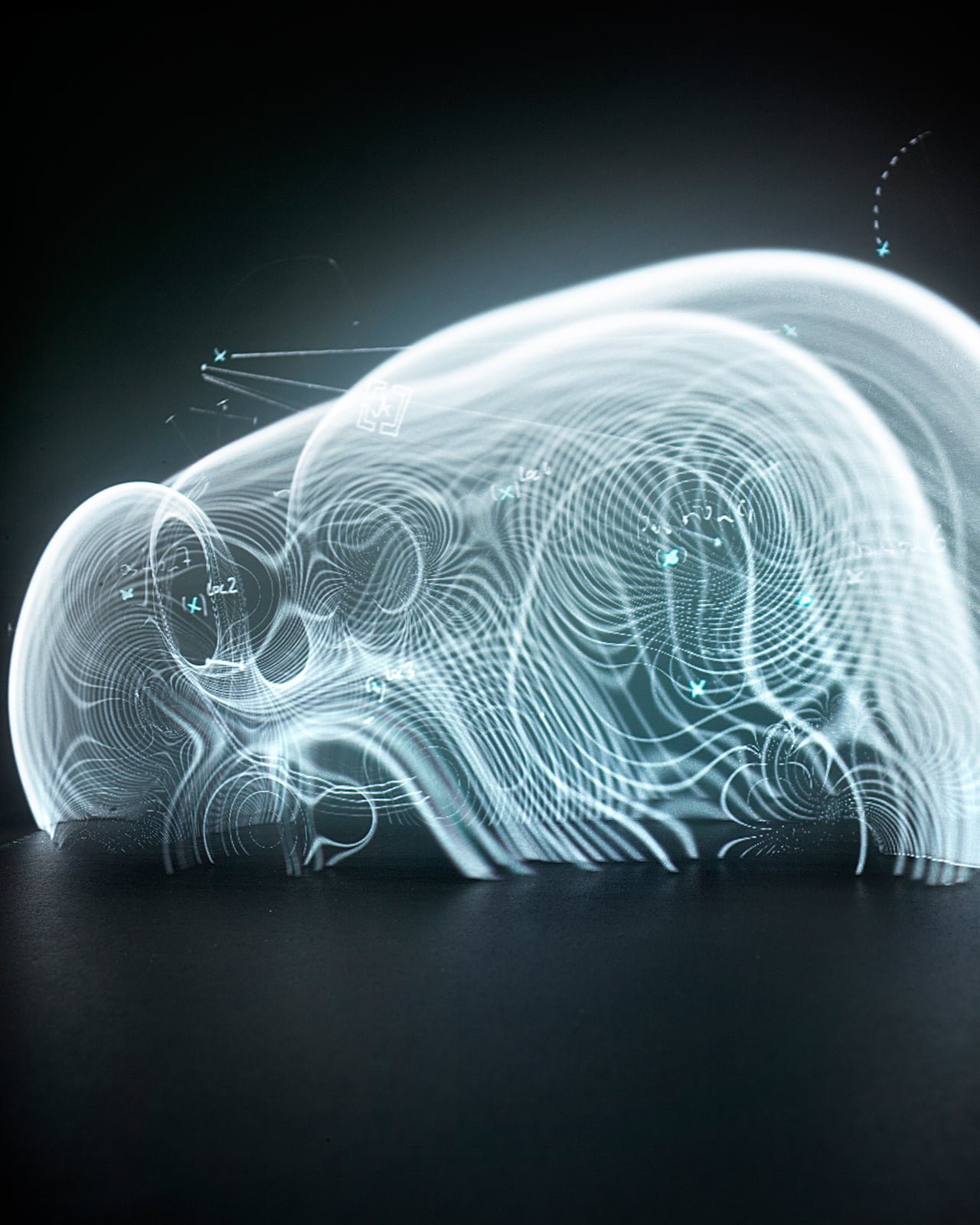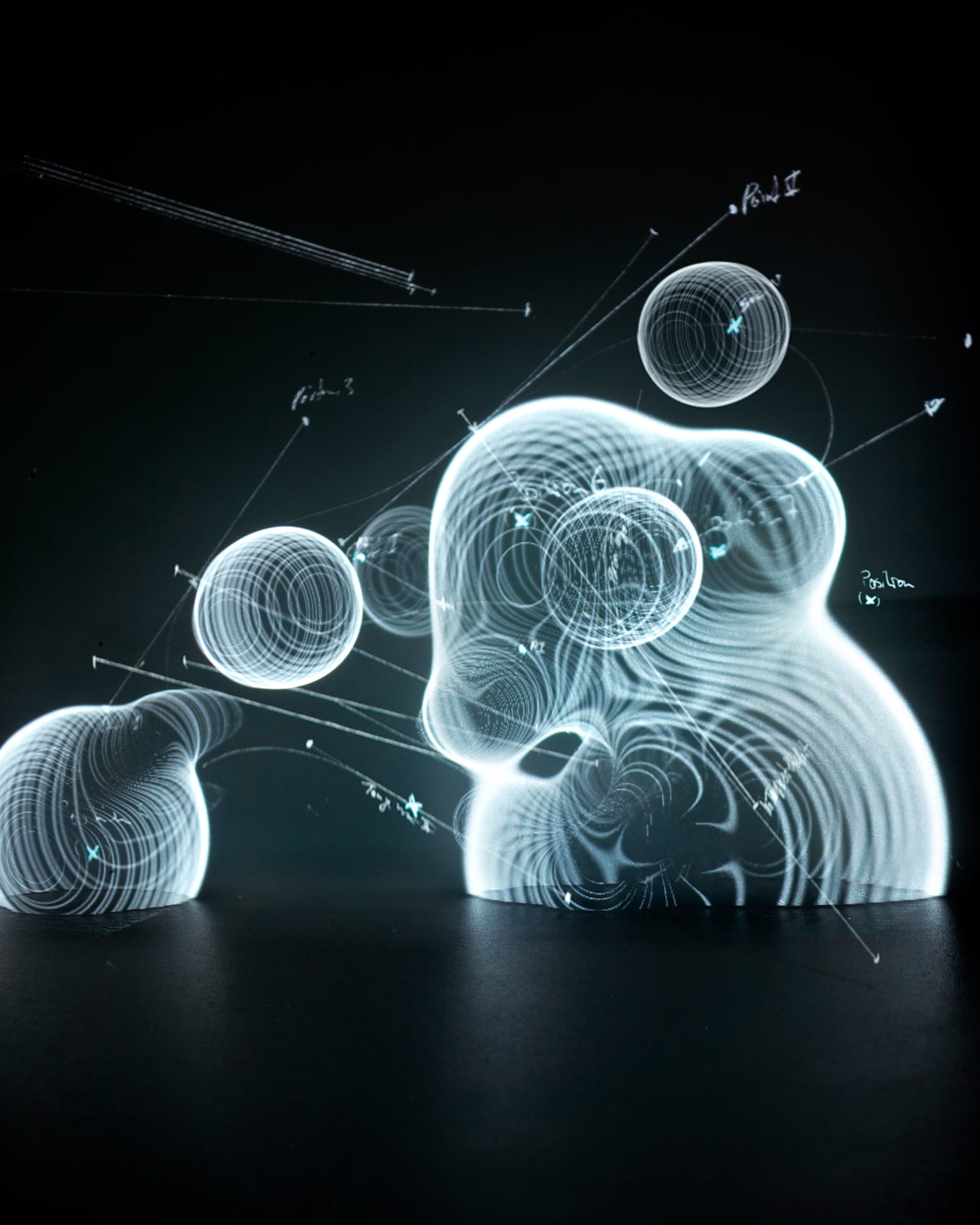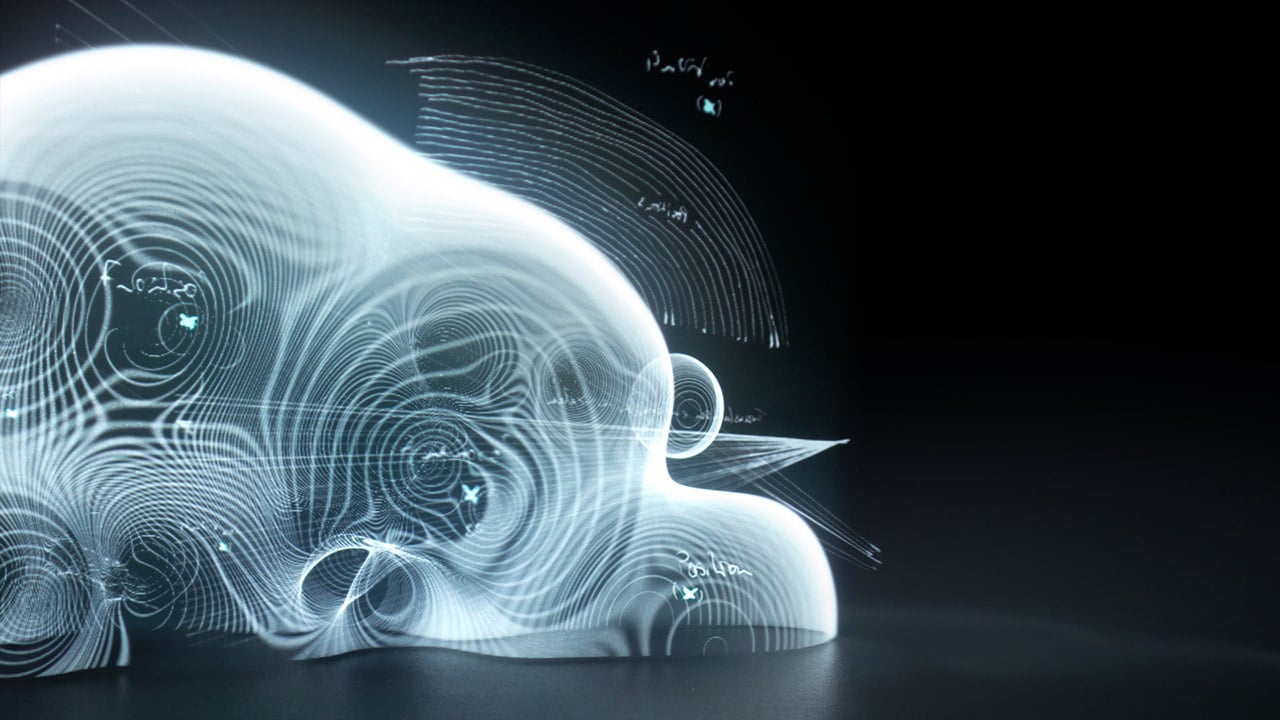
Designers are increasingly faced with the problem of understanding and visualizing data-filled space and making it inhabitable. In a book by researchers at the Royal College of Arts, Anthony Dunne and Fiona Raby discuss the electro-climate and electro-geography. These concepts, which have the ability to affect architecture as real climates can, are referred to as ‘Hertzian Space’. Dunne and Raby imagine electromagnetic fields full of data as in times of geospatial and location-based services, data assumes a wave field like materiality. These notions led us to question how metadata could take shape and whether screens would be an appropriate medium. With this in mind, »Immaterials« imagines data at the crux between visibility and invisibility. More about 'Immaterials', a term first used by Matt Jones to describe radio, data, time and sociality, can be found here.
Now that location-based metadata wafts through space, redefining contexts and places, a new field opens up to designers, that explores how information could be usefully integrated into physical space. Inspired by the fictional illustrations of Ingeborg Marie Dehs Thomas and the research by Timo Arnall, who interpreted and visualized the spatial expansion of radio waves, we attempted to give form to metadata. Using a light painting technique, we placed our concept of this data in space to make it haptic. The resulting forms depict possible data sets and examine the possibilities between technoid holograms and hand-drawn markings.